

The Genetic Risks In Marriages Among Relatives.

Introduction to Consanguineous Marriages
Consanguineous marriages, defined as unions between individuals who are closely related by blood, have been a common practice in various cultures throughout history. These marriages can significantly increase the risk of genetic disorders in offspring due to the higher likelihood that both parents carry the same recessive genetic mutations. This is particularly relevant in populations where such marriages are prevalent, including many Arab countries and parts of South Asia.
Increased Risk of Genetic Disorders
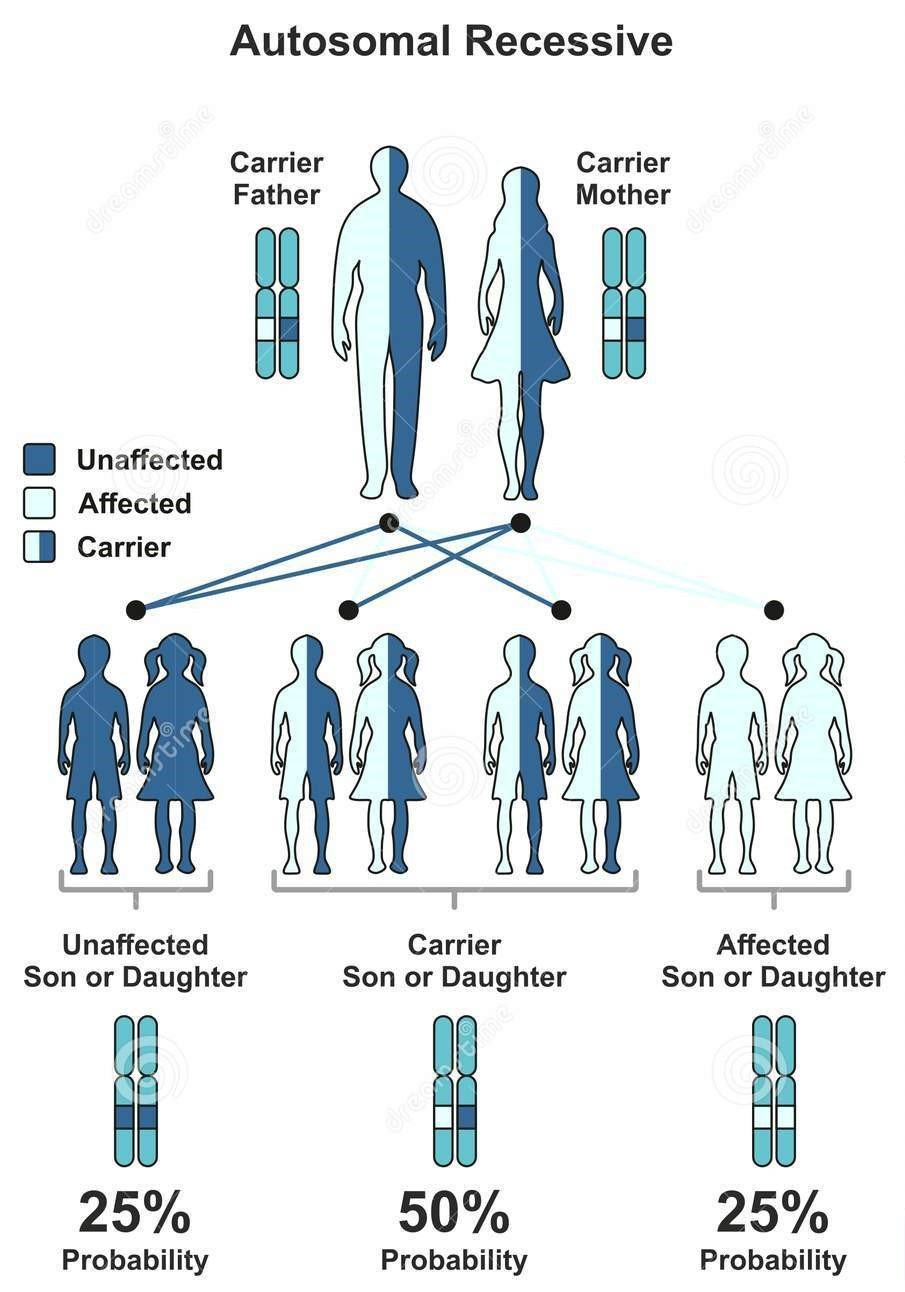
The primary medical concern associated with consanguineous marriages is the elevated risk of autosomal recessive disorders. When two closely related individuals reproduce, there is a greater chance that they will both be carriers of the same genetic mutation. For example, conditions like cystic fibrosis, thalassemia, and Tay-Sachs disease require two copies of a mutated gene for manifestation. In non-consanguineous unions, the probability of both parents being carriers is significantly lower.
Statistical data indicates that children born from consanguineous unions have about twice the frequency of genetic disorders compared to those from non-related parents. This increased incidence can lead to serious health issues such as congenital heart diseases, renal diseases, and various rare blood disorders.
Broader Implications Beyond Single-Gene Disorders
The implications of consanguinity extend beyond single-gene disorders. The practice can lead to reduced genetic diversity within a population or family unit. Lower genetic diversity may not only increase susceptibility to specific inherited conditions but also affect complex traits influenced by multiple genes and environmental factors. For instance, populations with high rates of consanguinity may experience higher prevalence rates for multifactorial diseases like heart disease and diabetes due to accumulated deleterious mutations over generations.
Moreover, reduced immunity and increased vulnerability to infectious diseases can arise from this lack of genetic variation. The overall health outcomes for communities practicing consanguinity may therefore be adversely affected in ways that are not immediately apparent through the lens of single-gene disorders alone.
Prevalence and Cultural Factors
Globally, approximately 20% of the population resides in areas where consanguineous marriages are common. In certain regions—particularly in Arab nations—the prevalence can range from 20% to 50%. Cultural factors often drive these practices; families may prefer marrying relatives to maintain wealth within the family or ensure compatibility based on shared socioeconomic status and cultural values.
Despite some perceived benefits such as familial stability and lower divorce rates among consanguineous couples, there is an increasing awareness regarding the potential health risks associated with such unions. As public knowledge grows about congenital and genetic disorders linked to consanguinity, more couples are seeking preconception counseling to understand these risks better.
In summary, while consanguineous marriages may offer certain social advantages within specific cultural contexts, they pose significant genetic risks that cannot be overlooked. The increased likelihood of recessive genetic disorders and broader health implications necessitate informed decision-making among couples considering marriage within their extended families.



0 Comments