

Where Does Love Really Come From?

Understanding the origins of love involves exploring a complex interplay of biological, psychological, and social factors. Love is not merely an abstract concept; it is deeply rooted in our biology and neuroscience. Here’s a detailed breakdown of where love comes from:
1. Biological Foundations of Love
Love originates in the brain, specifically within the mesolimbic system, which is responsible for reward and motivation. When we experience feelings of love, various neurotransmitters are released that create sensations of pleasure and satisfaction. Key neurotransmitters involved include:
Dopamine: Often referred to as the “feel-good” neurotransmitter, dopamine plays a crucial role in the brain’s reward circuit. It is released when we engage with someone we love, reinforcing behaviors that lead to positive interactions.
Serotonin: This neurotransmitter helps regulate mood and emotional well-being. During the initial stages of romantic love, serotonin levels can decrease, leading to obsessive thoughts about the loved one.
Oxytocin: Known as the “love hormone,” oxytocin is released during physical intimacy and promotes bonding between partners. It enhances feelings of attachment and security.
Vasopressin: This hormone is associated with long-term commitment and monogamous relationships, influencing behaviors that foster lasting connections.
2. Psychological Aspects of Love
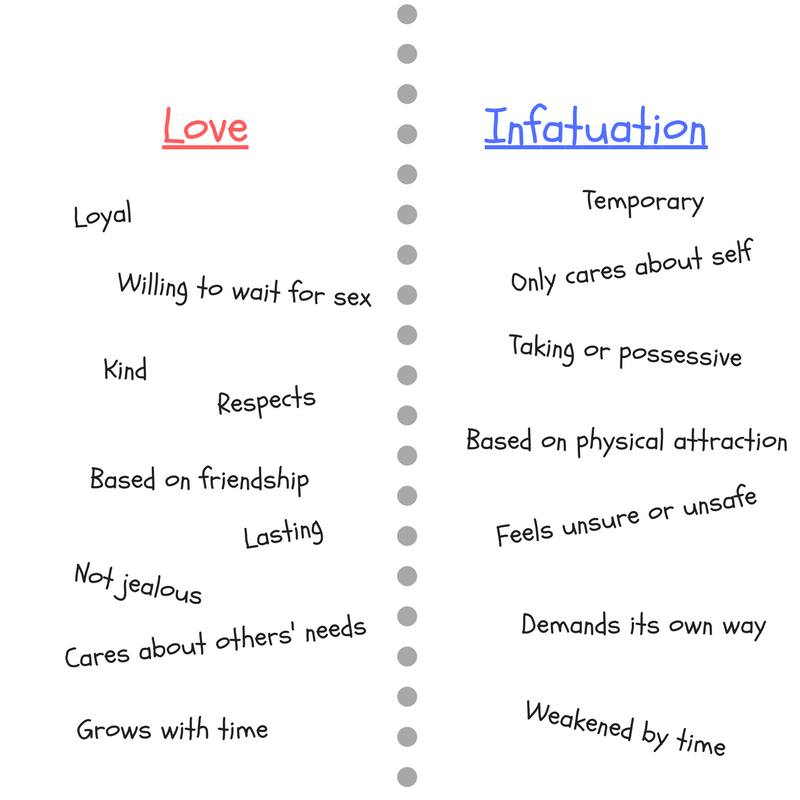
Psychologically, love encompasses several components: infatuation or attraction, sexual desire, and attachment. These elements interact but do not necessarily follow a linear progression. For instance:
Infatuation or Attraction: This initial phase often involves intense emotions and physical attraction driven by dopamine release.
Sexual Desire: The desire for physical intimacy can also be influenced by hormonal changes that heighten arousal.
Attachment: Over time, as relationships develop, feelings of safety and security emerge through oxytocin release during intimate moments.
3. Evolutionary Perspective on Love
From an evolutionary standpoint, romantic love serves critical functions for human survival and reproduction. Helen Fisher’s research indicates that romantic love has been observed across numerous cultures worldwide, suggesting it is a fundamental aspect of human nature designed to promote pair bonding for raising offspring effectively.
While biological factors play a significant role in how we experience love, social contexts also shape our understanding and expression of it. Cultural norms dictate how relationships are formed and maintained; thus, societal influences can affect individual experiences of love.
In summary, love arises from a combination of biological processes within the brain involving neurotransmitters like dopamine and oxytocin; psychological components such as attraction and attachment; evolutionary imperatives promoting reproductive success; and social influences shaping our perceptions and expressions of affection.


0 Comments